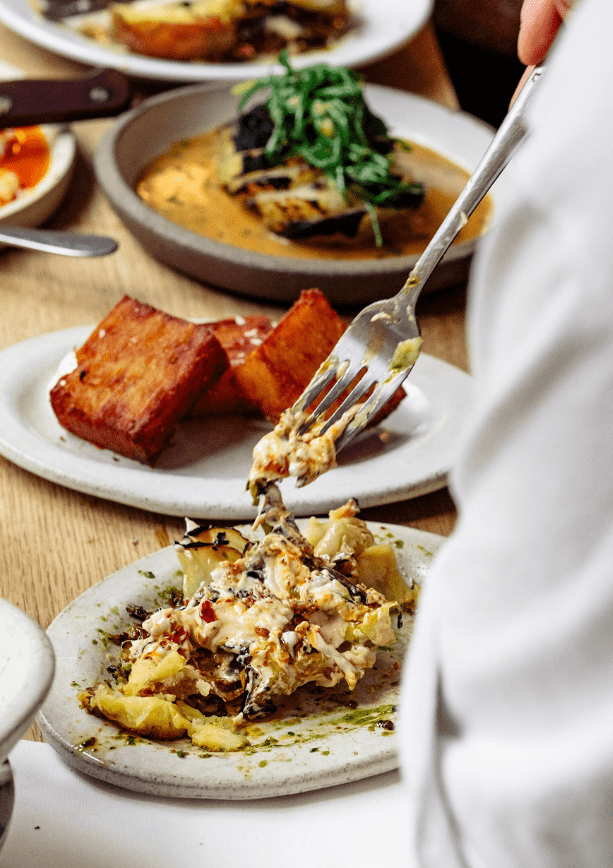
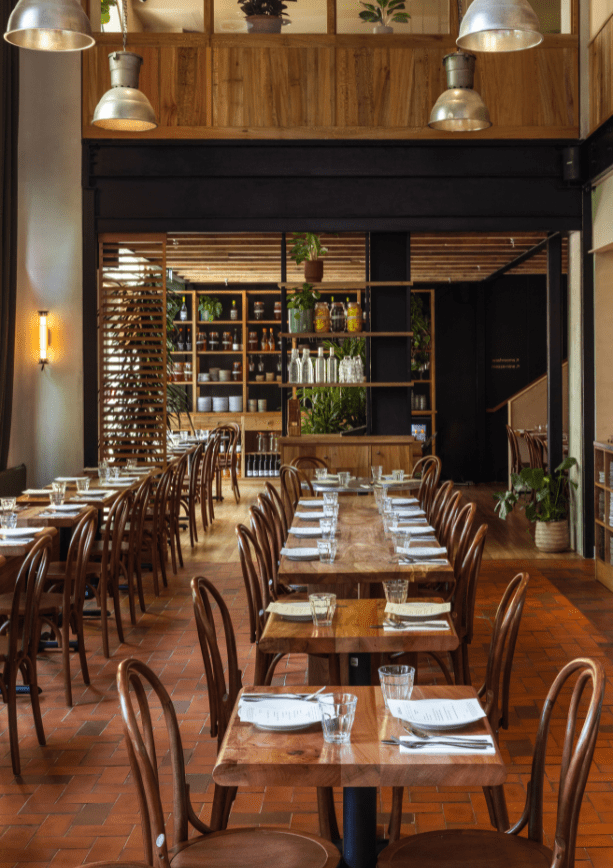
If you live or regularly find yourself in London, you may very well have heard of Bubala, a restaurant serving up Middle Eastern-inspired small plates from its Spitalfields, King’s Cross and Soho sites. Not only are all their dishes meat free, but they also have one of the best set menus on offer – think 10 plates for £39. We spoke to Bubala’s founder Marc Summers about his top kitchen hacks, his thoughts on the next trend in meat free eating, and why everyone should know how to make arayes.
Filter articles
Kitchen conversations: Bubala
Posted : 25 June 2026
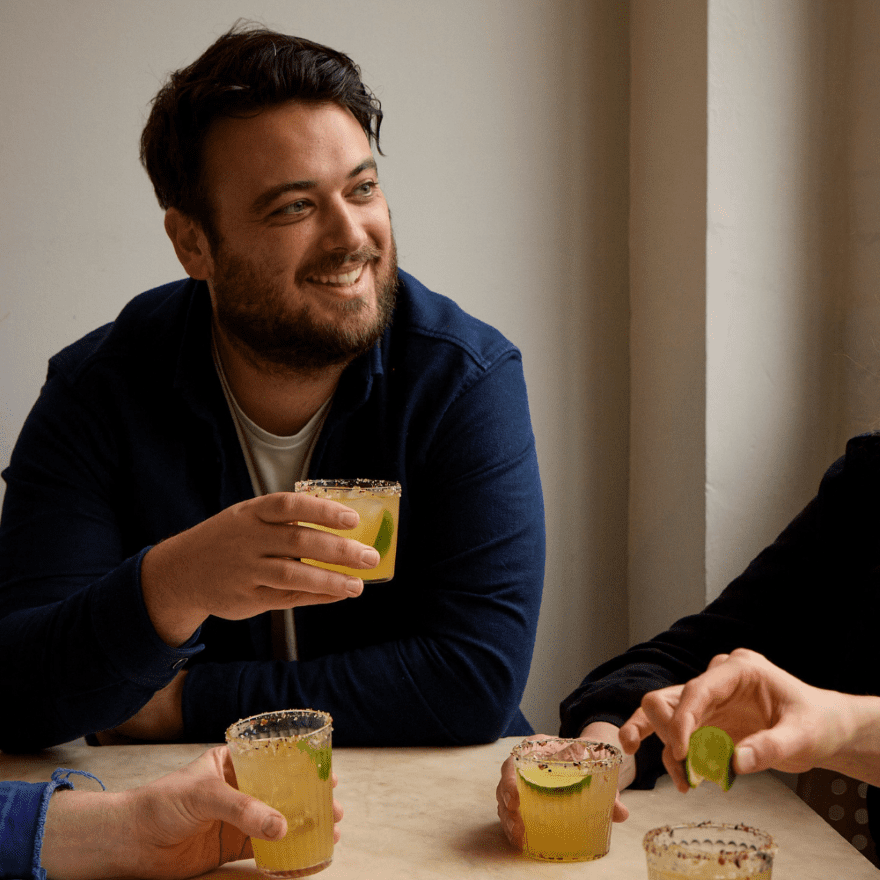
1. What inspired you to start a fully meat free restaurant?
We wanted to create something truly unique and surprising that just happened to be vegetarian. It was never about making a ‘vegetarian alternative’, it was about building a restaurant where vegetables were exciting enough to be the main event. Middle Eastern food naturally lends itself to that style of eating: bold flavours, spice, smoke, tahini, pickles and incredible produce. We felt there was space for a restaurant that celebrated all of that without compromise.
2. What’s your favourite ingredient in the kitchen?
Shallots. Slowly frying shallots can make almost anything taste good. They add sweetness, depth and richness to a dish, and they’re one of those ingredients that quietly make everything better.
3. What’s your best kitchen hack or tip?
Add more salt than you think necessary. People are often too cautious with seasoning, but properly seasoning a dish is what makes flavours come alive. Lemon juice is also one of the easiest ways to transform a dish. A little acidity at the end can completely brighten everything up.
4. How do you attract meat eaters to the restaurant?
We never try to convince people to stop eating meat, we just focus on making genuinely delicious food. Most people don’t come to Bubala because it’s vegetarian; they come because they’ve heard the food is exciting, generous and full of flavour. If the meal is memorable enough, the ‘meat free’ part becomes secondary.
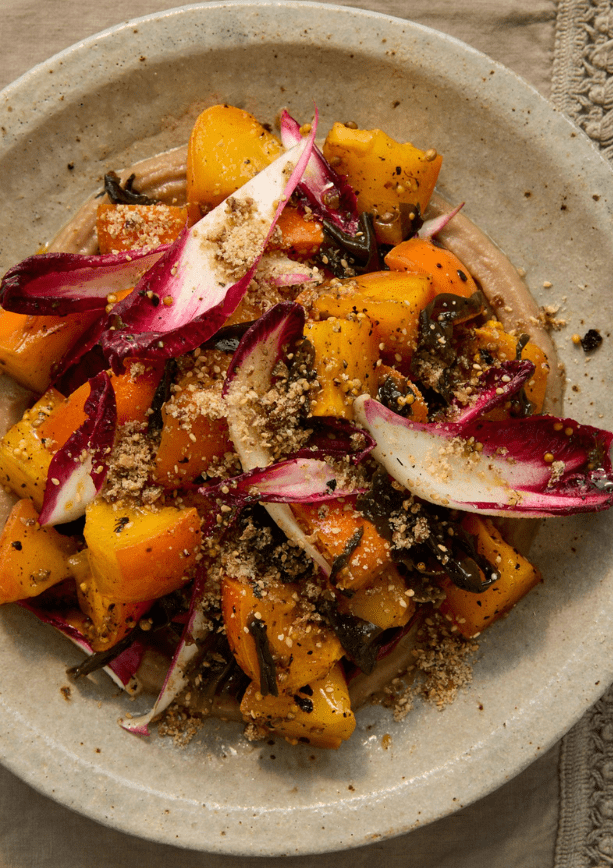
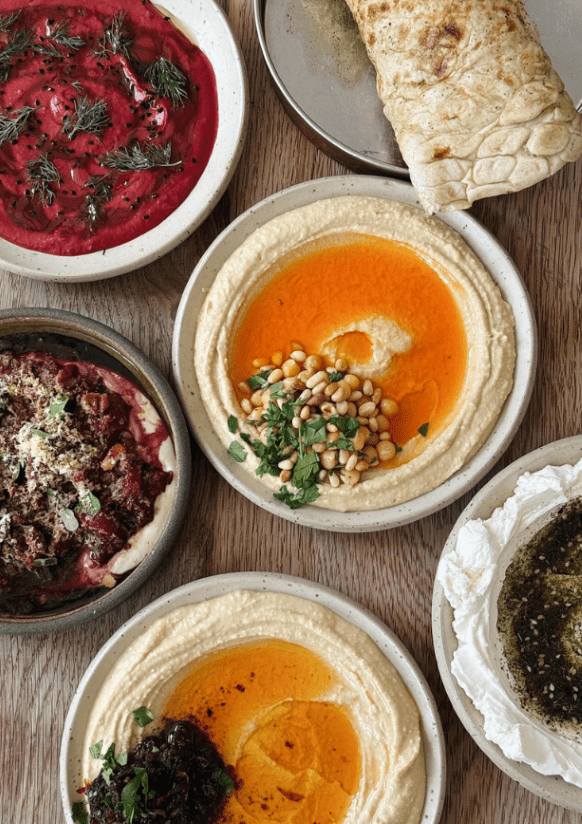
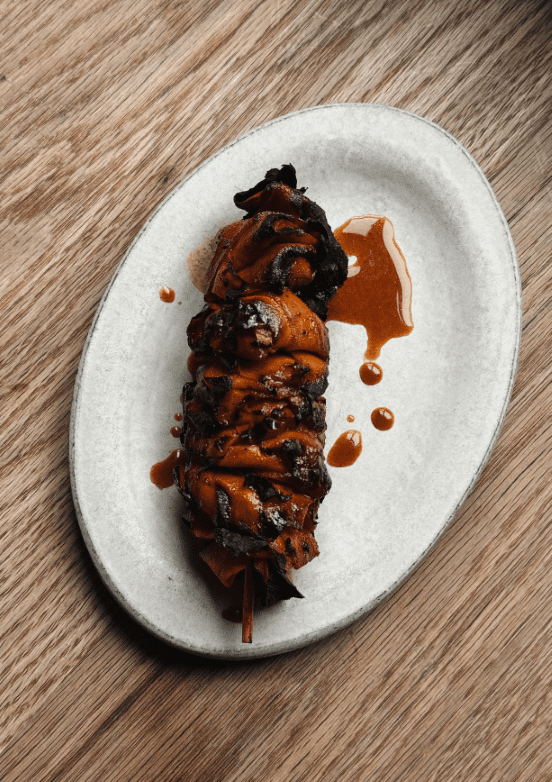
5. What’s your most popular dish?
Our oyster mushroom skewers have definitely become the signature dish. They’ve got this incredible texture and smokiness, and they seem to win over absolutely everyone, vegetarians, vegans and committed meat eaters alike.
6. How have you noticed cultural attitudes towards meat free change over the last few years?
People are far more open-minded than they were even five or six years ago. There’s less of a divide now between ‘vegetarian food’ and just ‘good food’. Diners are much more interested in variety, sustainability and trying new things, and there’s a growing understanding that eating less meat doesn’t have to feel restrictive.
7. What do you think the next trend will be in the plant based space?
I think we’re moving away from heavily processed meat substitutes and back towards vegetables in their natural form. People are becoming more interested in really ingredient-led cooking: fermentation, open fire cooking, regional vegetable dishes, beans, grains and better quality produce.
8. What’s the one plant based dish you think everyone should be able to cook?
Arayes, stuffed veggie pitas. They’re comforting, versatile and packed with flavour, and you can play around endlessly with fillings, spice and texture. They’re also a great example of how satisfying vegetable-led cooking can be when it’s done properly.
9. What’s your favourite thing to cook when you’re not at work?
Honestly, eggs and soldiers. Loads of salt and pepper, really buttery toast, simple comfort food. Restaurant cooking can be pretty intense, so when I’m at home it’s usually about simplicity rather than spending hours over the stove.
10. Which restaurant do you love for a veggie meal?
I know it’s not always seen as ‘veggie food’, but I love a really good margarita pizza. I’ll often grab a slice from Paulie’s on Commercial Street on my way home.
11. What advice would you give to people wanting to try meat free?
Really focus on imparting as much flavour as possible during the prep stage: marinades, slow braising, proper seasoning, layering spices. A lot of great vegetable cooking comes down to patience and technique. It’s also worth exploring cuisines that already celebrate vegetables naturally, like Middle Eastern, Indian or Mediterranean cooking, rather than trying to replicate meat exactly. Start with dishes you genuinely crave and enjoy.
Bubala has three restaurants in London – Spitalfields, King’s Cross and Soho. You can find out more about Bubala via their website or Instagram page.
Share the love
Tagged: